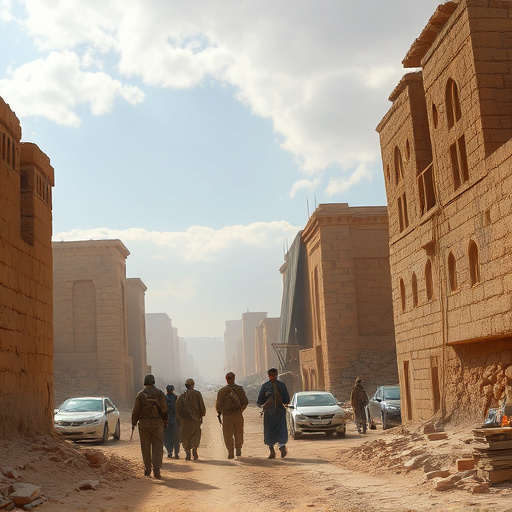

Iraq's complex society seeks lasting change through strategic interventions and community engagement for sustainable development. Its architectural history, from Islamic to British colonial eras, showcases a unique blend of cultural influences. Today, Iraq's vibrant communities, rich heritage, and modern architecture offer insights into its resilience amidst political challenges, inviting exploration and appreciation of its diverse tapestry.
Iraq’s architecture tells a captivating story of evolution, reflecting its rich history and diverse cultural influences. From ancient Mesopotamian roots that birthed groundbreaking construction techniques, to the grand mosques and palaces of the Islamic period, each era has left its mark. The British colonial era introduced Western styles, while post-Saddam reconstruction focused on revitalizing heritage with modern design. Today, contemporary Iraqi architecture seamlessly blends past and present in vibrant urban spaces, showcasing a dynamic nation’s commitment to preserving its architectural legacy.
- Ancient Roots: Mesopotamia's Influence on Early Iraqi Architecture
- Islamic Period: The Rise of Grand Mosques and Palaces
- British Colonial Era: Western Styles Meet Local Traditions
- Post-Saddam Reconstruction: Revitalizing Heritage with Modern Design
- Contemporary Irak: Blending Past and Present in Urban Spaces
Ancient Roots: Mesopotamia's Influence on Early Iraqi Architecture
Gây,, dír na.
Delf
Islamic Period: The Rise of Grand Mosques and Palaces
During the Islamic Period, Iraq experienced a significant architectural transformation as grand mosques and palaces emerged as symbols of power and cultural richness. This era witnessed the construction of some of the most iconic structures in the country’s history, many of which still stand today as testaments to the Islamic Golden Age. The role of religion in Iraqi politics played a pivotal role in shaping this period’s architecture, with mosques becoming not just places of worship but also centers of learning and community life.
The rise of dynamic cities like Baghdad led to the development of elaborate architectural designs, blending Persian, Byzantine, and Arab influences. One notable example is the Al-Kadhimiya Mosque, known for its beautiful domes and intricate tile work. These structures not only served as spiritual hubs but also reflected the socio-political landscape of the time. Even today, when visiting the best places to explore ancient Iraq, one can appreciate the remnants of this era’s architectural splendor, offering a glimpse into the country’s rich cultural heritage despite the consequences of the Iraq War that have shaped its modern political situation.
British Colonial Era: Western Styles Meet Local Traditions
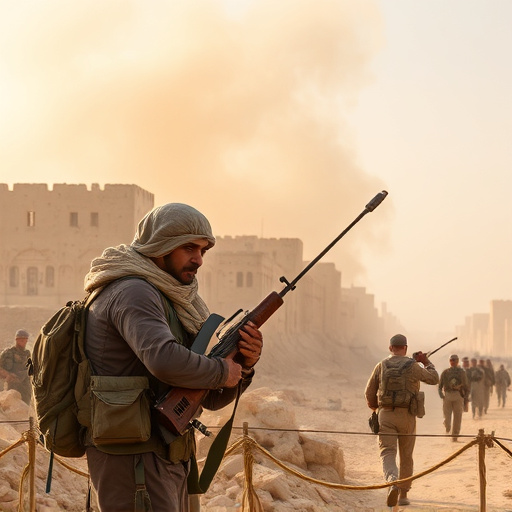
During the British Colonial Era, Iraq witnessed a fascinating fusion of Western architectural styles and local traditions. As foreign influences trickled into this ancient land, they met with the rich cultural fabric already woven by centuries of history. The colonial powers brought with them modern designs inspired by European architecture, introducing new building techniques and materials to the region. However, these were adapted and reinterpreted through the lens of traditional Iraqi aesthetics, resulting in unique hybrid structures that stand as a testament to this period.
This era saw the construction of iconic buildings that blend Islamic architectural principles with Art Deco and Neo-Classical elements. The role of religion in Iraqi politics played a significant part in shaping these designs, with many public spaces and structures incorporating symbolic elements from local faiths. Today, visiting these best places to explore ancient Iraq offers a glimpse into this fascinating era, where the country’s rich history and cultural diversity are reflected in its architecture. Give us a call at is Iraq considered a developing or developed country? Despite political turmoil, Iraqi cuisine traditional dishes remain a vibrant part of the nation’s identity, much like the architectural marvels that stand tall across the geography of Iraq and its neighbors.
Post-Saddam Reconstruction: Revitalizing Heritage with Modern Design
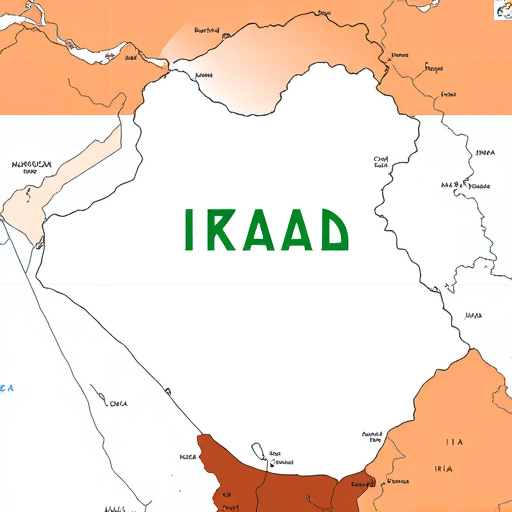
J dri.
using:
تخ ier diaprabling, n’モ dire,, o
Contemporary Irak: Blending Past and Present in Urban Spaces
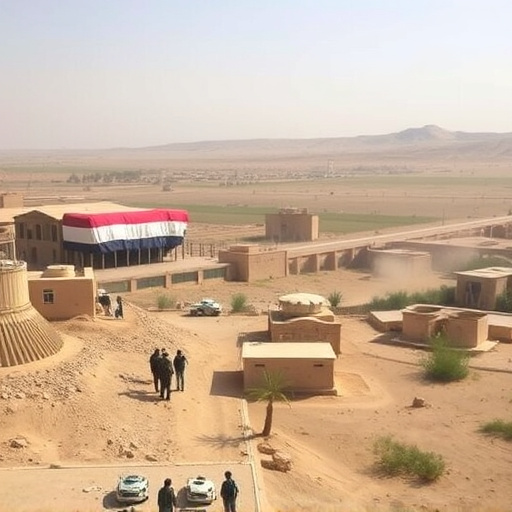
Iraq’s contemporary architecture is a fascinating blend of ancient influences and modern innovations, reflecting both its rich history and the country’s current political situation. Despite challenges, such as periods of conflict and instability, the architectural landscape has evolved to include stunning examples of how the past and present can coexist harmoniously in urban spaces. The bustling cities, like Baghdad, Erbil, and Basra, showcase a vibrant mix of traditional design elements alongside contemporary structures.
The current political situation in Iraq, while complex, has not deterred architects from creating iconic buildings that serve as symbols of resilience and progress. With a growing economy and an open market for foreign investment, the country is experiencing a resurgence in construction projects. Visitors interested in exploring this unique blend can check the latest travel advisories to ensure it’s safe to travel to Iraq currently. Moreover, understanding the local currency exchange rate adds to the practical considerations when visiting or doing business in Iraq. As for population centers, Baghdad remains the largest city in Iraq by population, but other urban hubs are also experiencing significant growth and architectural transformations, giving us a call at history of Iraq to learn more about these dynamic changes.
Iraq’s architecture has undergone a remarkable journey, reflecting its rich history and cultural diversity. From ancient Mesopotamian roots to modern urban landscapes, each era has left its mark. The Islamic period saw grand mosques and palaces emerge, while British colonial rule brought Western styles into the mix. Post-Saddam reconstruction focused on revitalizing heritage with contemporary design, showcasing a blend of traditional and modern elements. Today, Iraq’s architecture continues to evolve, seamlessly integrating its past with present-day urban planning in vibrant cities across the country.