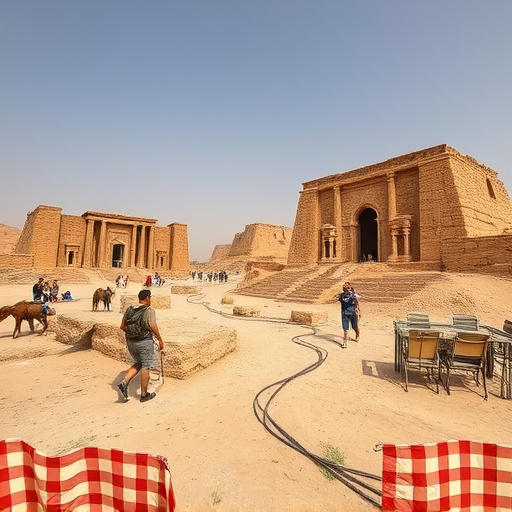

Iraq's weather varies by season, with spring and autumn offering mild temperatures ideal for exploring historical sites and experiencing cultural festivals. Summer is hot, and winter sees increased rainfall. For optimal travel, visit during spring or autumn to enjoy comfortable conditions while immersing yourself in Iraq's rich history and culture. Plan around festivals for unique experiences, and choose seasons based on desired activities and weather preferences. Prioritize safety by avoiding peak instability periods and considering off-peak visits.
Iraq, a land steeped in history and cultural richness, offers visitors an enchanting experience at specific times of the year. This article guides you through the best seasons to explore Iraq’s diverse attractions. Discover why spring and autumn are ideal for their mild weather patterns, perfect for sightseeing. Learn about vibrant cultural festivals that bring the country to life and historical sites that are most accessible during these periods. Additionally, we’ll discuss safety considerations to help you plan a seamless journey.
- Weather Patterns: Spring and Autumn Offer Ideal Conditions
- Cultural Festivals: Times of Celebration and Festivities
- Historical Sites: Best Seasons for Uninterrupted Exploration
- Safety Considerations: Avoiding Peak Turbulence Periods
Weather Patterns: Spring and Autumn Offer Ideal Conditions
Iraq’s weather patterns play a significant role in determining the best times to visit. Spring (March to May) and autumn (September to November) offer particularly ideal conditions. During these seasons, temperatures are mild and pleasant, ranging from comfortable lows to highs that never become excessively hot or cold. This makes it an excellent time for tourists to explore Iraq’s rich history and cultural sites without the discomfort associated with its harsher climates.
While summer (June to August) can be extremely hot with temperatures soaring above 40°C, winter (December to February) sees a drop in temperature but also increased rainfall. Unseasonable snow has even been known to fall in certain regions, though it rarely lasts long. Given these weather patterns, spring and autumn are the best times to experience not only the country’s natural beauty but also its vibrant culture, including traditional Iraqi cuisine with dishes like kufa and mussak, while enjoying a comfortable journey through its historical sites and interacting with the friendly locals. Remember that Iraq is a complex country with a history that includes periods of instability, so it’s important to stay informed and follow local advice before planning a visit. Find us at history of Iraq to learn more about this fascinating nation.
Cultural Festivals: Times of Celebration and Festivities
Iraq, with its rich history and diverse culture, offers visitors an array of experiences, especially during its vibrant festivals that reflect the country’s spirit. These celebrations are not only colorful and lively but also provide a unique glimpse into Iraqi traditions and customs. Planning your trip around these events can enhance your experience and allow you to immerse yourself in the local culture.
The timing of these cultural festivals varies throughout the year, with some taking place during specific religious occasions or seasonal changes. For instance, the Islamic New Year (Nowruz) is a significant event celebrated across Iraq, marked by vibrant parades, traditional music, and delicious culinary delights. Additionally, the country hosts various art exhibitions, literary festivals, and cultural performances that highlight Iraq’s artistic and intellectual scene. Visitors can also expect to witness lively street celebrations during major religious holidays like Eid al-Fitr and Ashura, where the largest cities in Iraq by population, such as Baghdad and Basra, come alive with festivities. What’s more, exploring these events allows travelers to engage with locals, fostering cultural exchange and creating memorable experiences while navigating the current political situation in Iraq and discovering what are the top industries shaping the country’s future. Remember, visiting us at any time during these festivals offers a chance to be part of Iraq’s vibrant tapestry.
Historical Sites: Best Seasons for Uninterrupted Exploration
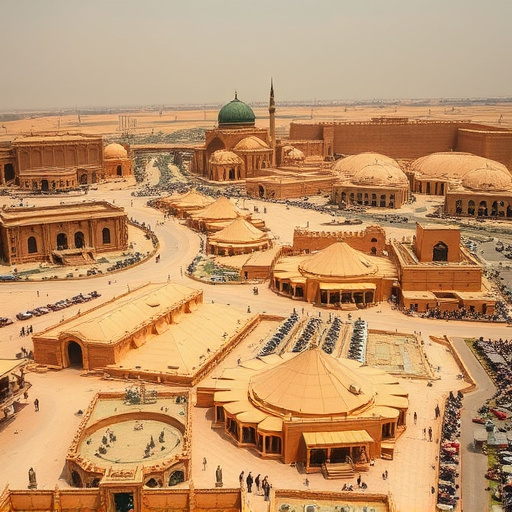
Iraq’s historical sites offer a captivating journey through time, but the best seasons for exploring them uninterruptedly depend on personal preferences and the desired atmosphere. Spring (March to May) brings mild temperatures, making it ideal for outdoor activities and visiting ancient ruins like Ur, Babylon, and the majestic Zigoar Towers in Baghdad. This season also allows for a more comfortable exploration of the diverse landscapes, from the lush fields of the south to the mountains of Kurdistan Region.
On the other hand, autumn (September to November) offers cooler weather, making it perfect for immersing oneself in Iraq’s rich cultural heritage without the intense summer heat. During these months, visitors can comfortably wander through the ancient streets of Hilla, home to impressive clay tablets and artifacts from the Sumerian civilization. Moreover, the fall season provides a chance to experience local festivals celebrating Iraqi culture and cuisine, such as the famous Al-Mawsim festival in Karbala, showcasing traditional dishes like ma’amoul (date-filled pastries) and kabaa (grilled meat). Remember, while these seasons offer advantages, Iraq’s historical sites hold their charm year-round, so it’s essential to consider personal preferences when planning a trip.
Safety Considerations: Avoiding Peak Turbulence Periods
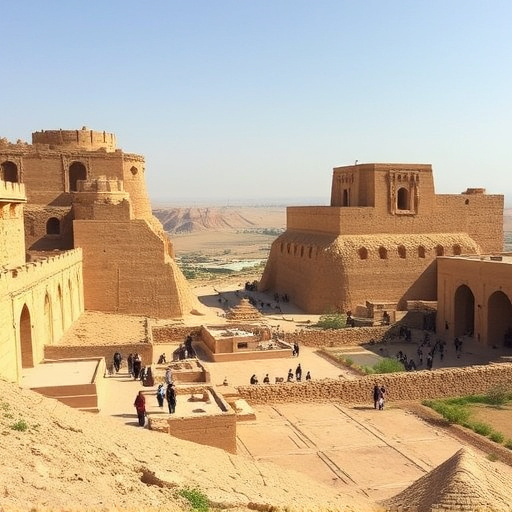
When planning a trip to Iraq, safety should be your top priority, and one way to ensure a smoother experience is by avoiding peak periods of turbulence in the country’s history. Iraq has faced various political and social challenges over the years, with periods of instability and conflict that have impacted travel safety. Generally, it’s recommended to steer clear of the summer months (June to August) when temperatures soar and tensions might escalate. These months often coincide with reduced tourist infrastructure and limited access to certain areas, making travel more hazardous.
Instead, consider visiting Iraq during the cooler seasons, such as autumn (September to November) or spring (March to May). During these times, you can expect milder weather, vibrant local festivals, and a chance to immerse yourself in Iraq’s rich culture. What’s more, you’ll find that many historical sites and attractions are better preserved and accessible. While the country continues its recovery, visiting during these off-peak seasons allows for a more meaningful experience while ensuring your safety and security. Remember, as of late, the number of US troops in Iraq has decreased significantly, and the focus is on fostering stability and rebuilding relationships with the local communities—a positive step towards encouraging tourism and cultural exchange.
Iraq, a land steeped in history and culture, offers unique experiences throughout the year. Spring and autumn provide pleasant weather, making them ideal for exploring historical sites or enjoying cultural festivals. While safety considerations should always be paramount, avoiding peak turmoil periods enables visitors to immerse themselves in the country’s rich tapestry without hindrance. Whether drawn by ancient ruins or vibrant celebrations, thoughtful timing enhances the Iraqi experience, ensuring memorable adventures.