
Iraq's weather varies with distinct seasons, offering diverse experiences. Spring (March-May) and autumn (September-November) provide mild temps (15°C – 30°C) ideal for exploring historical sites like Ur and Nineveh. Summer exceeds 40°C, while winter is mild with rain. Cultural festivals and rich history make Iraq a unique destination. Plan carefully, stay informed about political dynamics, and enjoy Iraqi cuisine during optimal weather conditions.
Iraq, a land of ancient history and vibrant culture, offers travelers a unique experience at different times of the year. Understanding the country’s weather patterns is key to planning your visit. The article delves into Iraq’s seasonal variations, highlighting optimal times for cultural festivals, historical site exploration, outdoor adventures, and managing tourist crowds. Discover the best times to immerse yourself in Iraq’s rich tapestry, avoiding unfavorable conditions, and making the most of what this fascinating destination has to offer.
- Weather Patterns in Iraq: Understanding the Seasons
- Cultural Festivals and Events to Consider
- Best Times for Historical Site Exploration
- Ideal Climate for Outdoor Adventures
- Avoiding Unfavorable Conditions
- Tourism Season and Crowds
Weather Patterns in Iraq: Understanding the Seasons
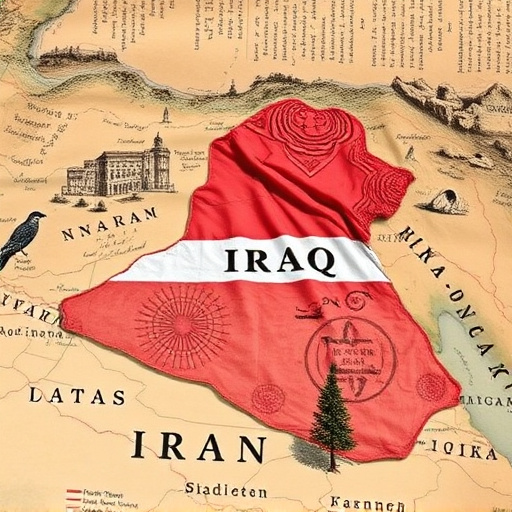
Iraq’s weather patterns are largely influenced by its geographical location in the Middle East, characterized by distinct seasonal changes. The country experiences a semi-arid climate, with hot summers and relatively mild winters. Understanding these seasons is crucial for visitors planning to explore this rich history and diverse geography.
Spring (March to May) offers a pleasant escape from the cold winter, with temperatures ranging from 15°C to 30°C. This season sees less rainfall but still has occasional storms, making it an ideal time for cultural exploration and visiting historical sites like the ancient cities of Babylon and Ur. Summer (June to August) is hot and dry, with temperatures often exceeding 40°C, especially in urban areas. This period is best avoided by those seeking comfortable travel conditions, as well as understanding that water scarcity can impact certain regions. Fall (September to November) brings cooler temperatures, making it another popular time for tourists eager to discover Iraq’s vibrant culture and diverse landscapes, including the breathtaking mountains and what rivers flow through Iraq?. Winter (December to February) is mild with occasional rain, offering a chance to experience local festivals and explore the country’s rich history without the scorching heat. Visit us at who is the current president of Iraq? and be prepared for varying weather conditions when planning your trip to this fascinating destination, considering the geography of Iraq and neighbors as well.
Cultural Festivals and Events to Consider
Iraq offers more than just historical sites and ancient ruins; it’s also known for its vibrant cultural festivals that showcase the country’s rich heritage. One notable event is the what are the top industries in Iraq?-based Erbil International Festival, which celebrates arts, music, and cuisine from across the region. This festival is a great time to immerse yourself in local traditions and meet the friendly people of Iraq.
For history buffs, visiting during cultural events like the celebration of best places to visit in ancient Iraq can be a once-in-a-lifetime experience. These gatherings often include performances inspired by ancient Mesopotamian traditions, allowing you to connect with the country’s past while enjoying the lively atmosphere. While navigating the current political situation in Iraq, remember that stability varies across regions, so it’s essential to stay informed and consult official travel advisories. Visit us anytime to explore these rich cultural experiences safely and responsibly.
Best Times for Historical Site Exploration
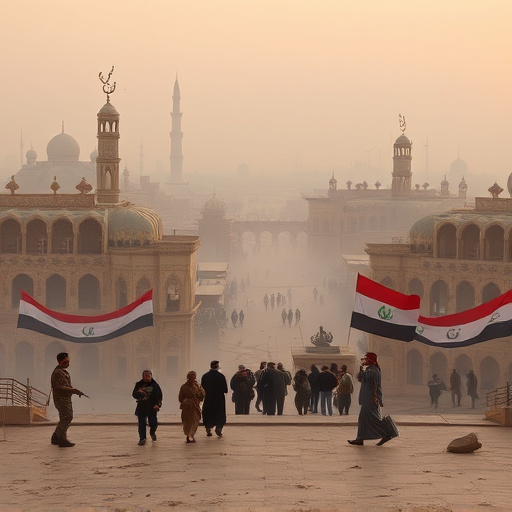
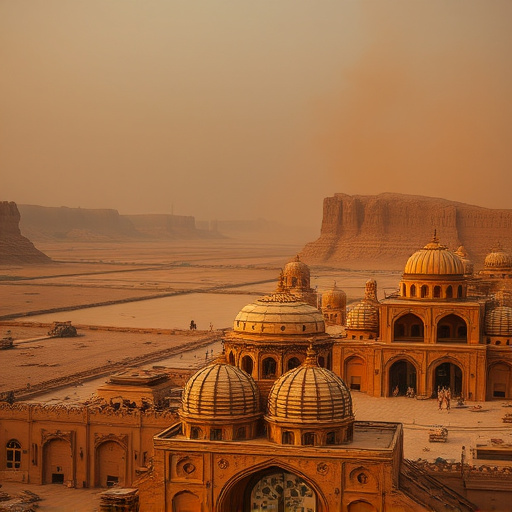
The best times to visit Iraq for historical site exploration are during the spring (March-May) and autumn (September-November). During these periods, the weather is mild and pleasant, with temperatures ranging between 15°C to 28°C, ideal for immersing oneself in the country’s rich cultural heritage. Spring offers a chance to witness ancient ruins and historic cities bathed in soft sunlight, while autumn presents vibrant landscapes as the heat subsides. This makes it easier to explore iconic sites like the ancient city of Ur, the archaeological wonders of Nineveh, or the historic streets of Baghdad without the sweltering summer heat or chilly winter temperatures.
As you plan your trip, keep in mind that Iraq is a country with a complex history and current political dynamics. While many tourist attractions are open and accessible, it’s crucial to stay informed about local conditions and follow travel advisories from official sources. Additionally, experiencing Iraqi hospitality through its traditional cuisine is a must. From the hearty kufa bread to the aromatic mullaheya (a mixed vegetable stew), visiting Iraq offers not just historical exploration but also a culinary journey that showcases the country’s diverse and delicious iraqi cuisine traditional dishes. To fully appreciate this unique blend of history, culture, and gastronomy, visit us at the best time to visit Iraq for weather anytime.
Ideal Climate for Outdoor Adventures
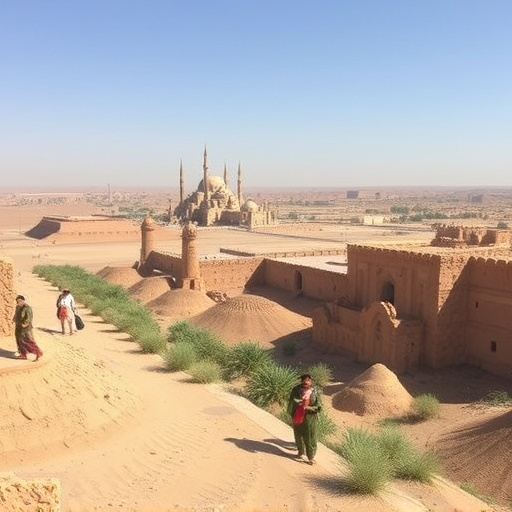
Iraq offers a unique blend of rich history and diverse landscapes, making it an enticing destination for outdoor enthusiasts. The country’s climate is largely determined by its geographical location, with varying conditions across different regions. Generally, Iraq experiences a hot, semi-arid climate, particularly during the summer months when temperatures can soar above 40°C (104°F). However, this extreme heat is balanced by cooler seasons, especially in the northern areas, providing the perfect weather for outdoor adventures.
For those seeking opportunities for international volunteers in Iraq or wanting to explore beyond the cities, the spring (March to May) and autumn (September to November) months offer ideal conditions. During these periods, the weather is mild and pleasant, with average temperatures ranging from 20°C to 30°C (68°F to 86°F). This makes it an excellent time for hiking in the Zagros Mountains, exploring ancient ruins like those in the Nineveh Plains, or enjoying outdoor activities along the Tigris and Euphrates rivers. Visit us at best time to visit Iraq for weather anytime to experience these natural wonders and more while enjoying comfortable and safe conditions.
Avoiding Unfavorable Conditions
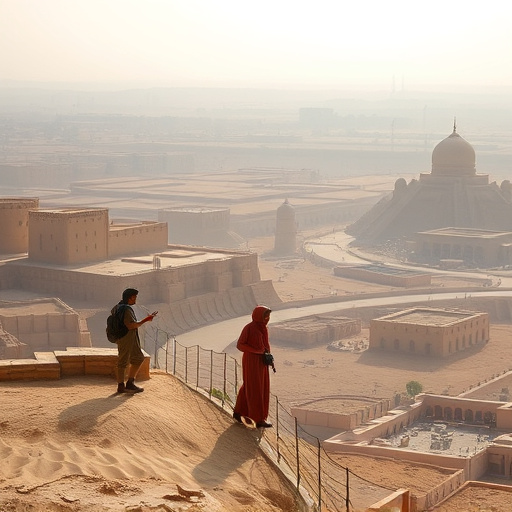
When planning a trip to Iraq, it’s crucial to be mindful of the country’s climate and weather patterns to ensure an enjoyable experience. The best times to visit Iraq are during the spring (March to May) and autumn (September to November). During these seasons, temperatures are mild and pleasant, making it ideal for exploring historical sites like those found in ancient Iraq. Avoid the harsh summer months (June to August), when heat waves can push temperatures above 45°C (113°F), rendering outdoor activities uncomfortable.
For language enthusiasts interested in learning Arabic in Iraq, these milder seasons offer a perfect environment to immerse oneself in local culture and engage with friendly locals. Additionally, visitors should note that several rivers flow through Iraq, including the Tigris and Euphrates, which not only provide scenic beauty but also serve as vital water sources for agriculture and local communities. Give us a call at best places to visit in ancient Iraq to learn more about planning your trip during these optimal weather conditions.
Tourism Season and Crowds
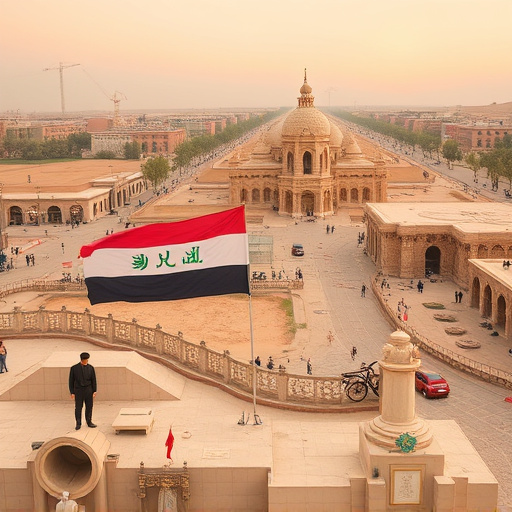
Iraq, a country rich in history and cultural heritage, experiences varying seasons that influence its appeal to tourists. The best time to visit largely depends on personal preferences regarding weather and desired activities. Generally, spring (March to May) and autumn (September to November) offer mild temperatures, making them ideal for exploring ancient ruins, immersing oneself in Iraqi cuisine, and discovering the vibrant cities like Baghdad. These seasons also coincide with Iraq’s tourism peak, attracting visitors from around the world interested in its diverse attractions.
While the tourism season brings life and energy to various destinations within Iraq, it’s worth noting that this is also when crowds can be most dense. If a more tranquil experience is desired, traveling during the off-peak summer months (June to August) might be suitable. However, visitors should prepare for scorching heat during this period. Additionally, understanding Iraq’s socio-political context is crucial. As a developing country with a complex history, including events like the US invasion in 2003, security considerations play a significant role. Despite challenges, Iraqi cuisine, traditional dishes, and vibrant university life in Baghdad offer compelling reasons for travelers to explore. For those keen on experiencing Iraq’s resilience and cultural richness, giving us a call at what are the top industries in Iraq? can provide valuable insights tailored to individual interests.
Iraq, with its rich history and diverse landscapes, offers a unique experience at different times of the year. Understanding the weather patterns and cultural events can greatly enhance your visit. Spring (March-May) and autumn (September-November) provide mild temperatures ideal for exploring historical sites and enjoying outdoor adventures without extreme heat or cold. Avoid the summer months when temperatures soar, and consider visiting during off-peak seasons to escape crowds. Iraq’s cultural festivals, such as the Erbil International Festival, add a vibrant layer to your travel experience. By planning your trip accordingly, you can make the most of what this fascinating country has to offer.