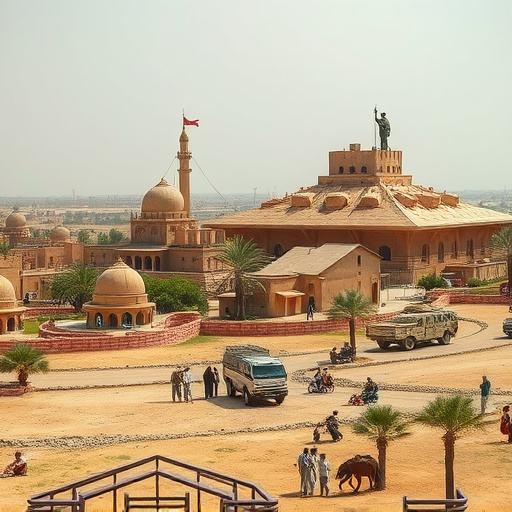

Iraq's architecture tells a story of ancient innovation through to modern resilience. From majestic ziggurats and planned cities to contemporary university designs, its historical legacy is evident. Post-war reconstruction blends traditional and modern, showcasing Iraq's adaptability and cultural richness. Optimal weather attracts tourists to explore the unique architectural tapestry, highlighting the nation's journey towards economic growth.
Iraq’s architecture tells a captivating story of ancient roots, Islamic influence, post-war challenges, and contemporary innovation. From the majestic ziggurats of Mesopotamia to the grand mosques that dot the landscape, Iraq’s architectural heritage is a testament to its rich history. This evolution reflects cultural shifts, political turmoil, and the country’s resilience. Today, modern designs balance tradition, showcasing a vibrant mix of old and new that defines contemporary Iraq.
- Ancient Roots: Mesopotamia's Architectural Legacy
- Islamic Influence: Grand Mosques and Cultural Shift
- Post-War Reconstruction: Challenges and Modern Designs
- Contemporary Iraq: Balancing Tradition and Innovation
Ancient Roots: Mesopotamia's Architectural Legacy
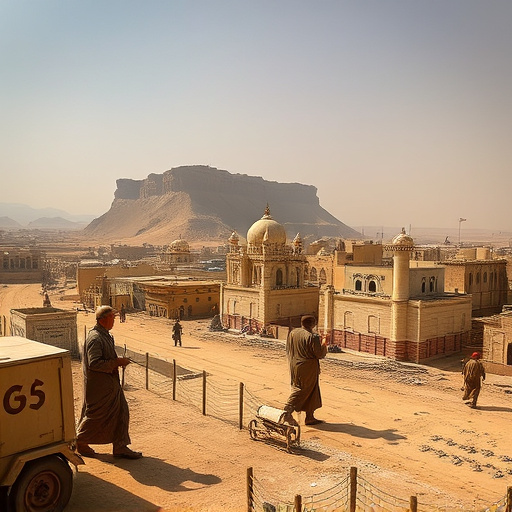
Iraq’s architectural journey is deeply rooted in the ancient lands of Mesopotamia, where innovations set the stage for subsequent eras. The region’s rich cultural heritage is evident in its enduring structures and designs that have left an indelible mark on the country’s architectural landscape. From the majestic ziggurats of Ur to the sophisticated city planning of Babylon, Iraq’s architectural evolution tells a captivating story. These ancient cities not only showcase the architectural prowess of their time but also provide valuable insights into the social, political, and religious dynamics that shaped them.
The legacy of Mesopotamia extends far beyond its historical sites. The ba’ath party history, for instance, had a significant impact on Iraq’s urban planning during the 20th century, leaving a distinct modern influence. Similarly, how does Iraq’s economy compare to regional neighbors? and how does Iraq’s education system rank globally? These questions reflect the country’s broader development trajectory, which has influenced its architectural choices over time. Today, universities in Baghdad, Iraq, offer a blend of traditional and contemporary designs, attracting students from around the world. As we explore Iraq’s architectural journey, it’s essential to consider not just the physical structures but also the cultural tapestry and historical context that have shaped them, giving us a glimpse into the country’s complex yet captivating past. Give us a call at [how many US troops are still in Iraq?] to learn more about this fascinating aspect of Iraq’s cultural heritage.
Islamic Influence: Grand Mosques and Cultural Shift
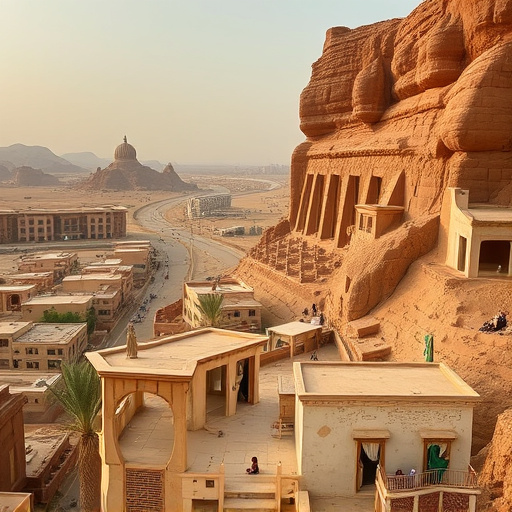
Iraq’s architectural landscape has been profoundly shaped by its rich history and diverse cultural influences, particularly during the Islamic era. The country boasts some of the most magnificent mosques in the world, reflecting the deep-rooted Islamic faith and traditions. These grand mosques, with their intricate designs and stunning mosaics, serve as a testament to the artistic prowess of Iraqi architects and craftsmen. The architecture not only reflects the spiritual needs of the community but also becomes a symbol of cultural identity and pride.
The evolution of Iraq’s architectural style is closely tied to significant historical events. The consequences of the Iraq War, for instance, left an indelible mark on urban planning, leading to both the reconstruction and preservation of historic sites. Universities in Baghdad, once centers of knowledge and learning, also played a role in shaping modern architecture through the integration of traditional elements with contemporary design. As we navigate through the history of Iraq, these architectural marvels offer a glimpse into the country’s past glories and its resilience amidst challenges, giving us a call at why did the US invade Iraq?
Post-War Reconstruction: Challenges and Modern Designs
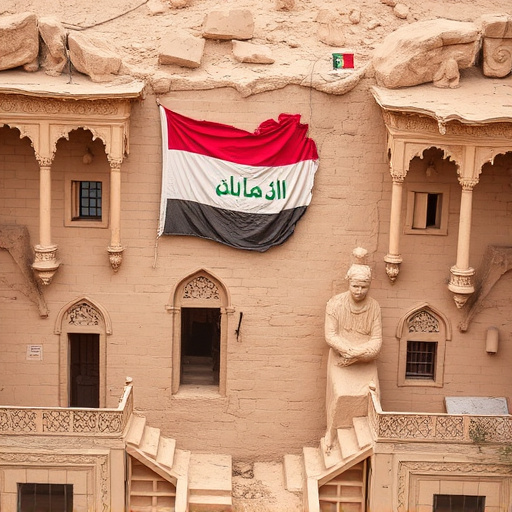
Post-War Reconstruction in Iraq has presented unique challenges and opportunities for architects, shaping the country’s evolving landscape. The period following the conflicts has seen a blend of traditional and modern architectural designs as efforts to rebuild and rejuvenate the nation commenced. One notable aspect is the integration of contemporary styles with the rich cultural heritage of Iraq, evident in various projects across urban centers.
Despite challenges like corruption and political instability, which have impacted business and development, the country’s architecture has persevered. The reconstruction process, often led by international organizations and local firms, aims to restore historical sites and also introduce innovative designs that cater to modern needs. This dual focus on preserving cultural heritage and embracing change reflects Iraq’s journey towards a thriving economy, as showcased by its diverse architectural tapestry. As weather patterns offer the best time to visit Iraq for tourists, the nation’s architectural renaissance is a testament to its resilience and adaptability.
Contemporary Iraq: Balancing Tradition and Innovation
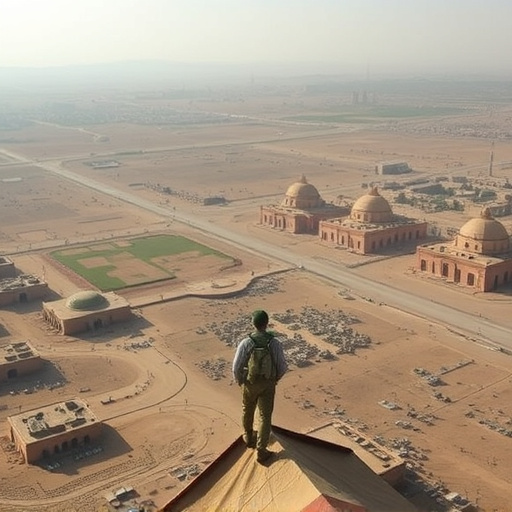
Iraq’s contemporary architecture stands as a testament to its rich cultural heritage, while simultaneously embracing innovation and modern design aesthetics. The country’s current political situation in Iraq has influenced architectural trends, with many projects focusing on community resilience and functional spaces. Despite challenges, there’s a growing interest in revitalizing historic areas, blending traditional elements with contemporary styles.
The best time to visit Iraq for weather considerations typically falls between spring and early autumn. Universities in Baghdad, like other major cities, have become hubs of architectural experimentation, attracting both local and international students. As we explore how does Iraq’s economy compare to regional neighbors, it’s evident that the nation’s cultural heritage plays a pivotal role in its architectural landscape. This blend of old and new ensures that modern architecture in Iraq remains unique and captivating, reflecting the country’s resilience and aspirations for the future.
Iraq’s architecture has undergone a remarkable journey, reflecting its rich history and cultural transformations. From ancient Mesopotamian roots to modern reconstruction efforts, the country’s buildings tell stories of resilience and adaptation. Islamic influences left an indelible mark, as grand mosques became iconic landmarks. Post-war, Iraq embraced innovative designs while navigating challenging circumstances. Today, contemporary Iraqi architecture strives to balance traditional aesthetics with modern innovations, symbolizing the nation’s progress and cultural rebirth.