
Iraq's climate varies dramatically from arid southern deserts to temperate northern mountains, with hot summers and mild winters nationwide. Seasonal changes include extreme heat and brief milder periods. Dust storms and environmental challenges impact both residents and ecosystems. Understanding these regional differences is vital for visitors planning trips, who should also learn Arabic and stay informed about local safety guidelines and currency exchange rates.
Iraq’s climate is a fascinating blend of diverse regional influences, shaping a complex and varied weather pattern across the country. From arid desert regions to lush green mountains, understanding these characteristics offers insights into this ancient land. This article delves into the general climate, seasonal changes, regional disparities, and geographical impacts, providing a comprehensive overview of Iraq’s unique environmental story. Explore how these factors contribute to Iraq’s dynamic and ever-changing landscape.
- General Climate Characteristics of Iraq
- Seasonal Variations Across the Country
- Regional Differences in Weather Patterns
- Impact of Geography on Iraq's Climate
General Climate Characteristics of Iraq
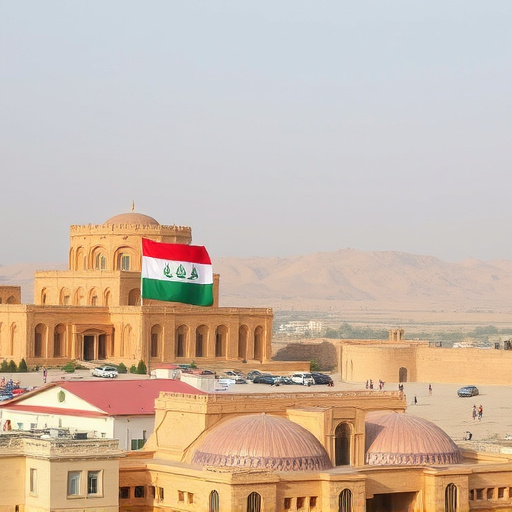
Iraq’s climate is largely defined by its geographical location and topographical diversity. As a country spanning various regions, it experiences different climatic zones, from semi-arid desert in the south to more temperate areas in the north. The most prominent feature is the vast arid region, characterized by hot summers and mild winters, reminiscent of a typical desert climate. This makes many areas of Iraq, especially the southern parts, among the driest on Earth. However, the northern regions, influenced by the nearby mountains, enjoy slightly cooler temperatures and receive more rainfall, creating a contrast in environmental conditions across the nation.
The weather patterns in Iraq are largely seasonal, with distinct transitions. Summers are notoriously hot, often reaching extreme temperatures, while winters offer a brief respite with milder days. The country also experiences occasional severe weather events, such as dust storms, particularly during spring and early summer. This diverse climate presents both challenges and opportunities for the local population and ecosystems, and even factors into considerations for students exploring universities in Baghdad or those interested in the country’s history, like understanding why did the US invade Iraq? Moreover, the consequences of the Iraq War highlight the impact of environmental fluctuations on a nation’s stability and development. Visit us at consequences of the Iraq War anytime to learn more about these intricate connections.
Seasonal Variations Across the Country
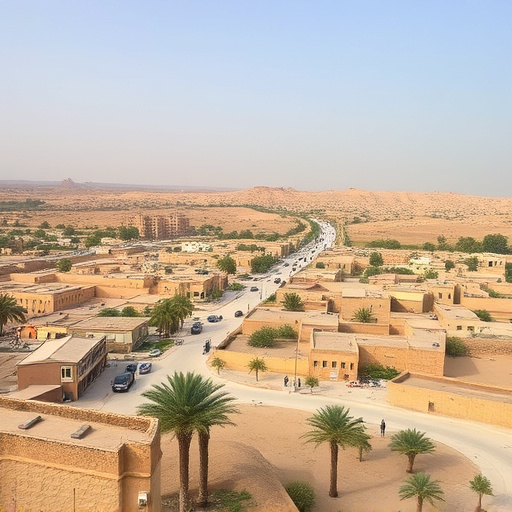
Iraq’s climate varies significantly across its regions, offering diverse seasonal experiences from north to south. The northern areas, including cities like Erbil and Mosul, which are among the largest cities in Iraq by population, typically enjoy a humid continental climate with warm to hot summers and chilly winters. Spring (March to May) brings mild temperatures and abundant rainfall, making it a pleasant time to visit, while summer (June to August) can be scorching with average highs exceeding 40°C (104°F).
In contrast, central Iraq, including the capital Baghdad, experiences a semi-arid climate. Summers here are long, hot, and dry, lasting from April to October, with temperatures regularly surpassing 45°C (113°F). Winters, from December to February, offer some relief with cooler temperatures and occasional rainfall, but it is generally a drier period compared to the north. The history of Iraq’s climate has shaped its agricultural practices and influenced the way of life for its diverse ethnic groups, including Arabs, Kurds, and Assyrians, among others. For those considering a trip, finding us at the best time to visit Iraq for weather—whether it’s the mild spring or the cooler autumn—can ensure an enjoyable experience.
Regional Differences in Weather Patterns
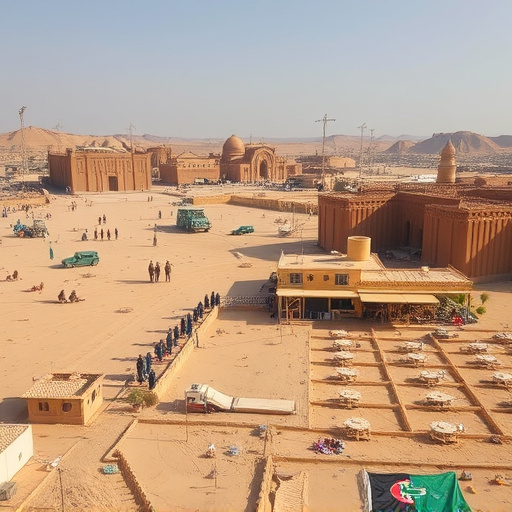
Iraq’s climate varies significantly due to its geographical diversity, with regions ranging from arid desert to mountainous terrain. The southern areas, including the city of Basra, experience a hot semi-arid climate with high humidity during summer months. Temperatures often soar above 40°C (104°F), making it one of the hottest places in the world during this season. In contrast, northern regions like Erbil enjoy a more temperate climate, with cooler summers and relatively mild winters. These areas are influenced by the nearby Mediterranean Sea, resulting in slightly wetter conditions.
The central region, including the capital Baghdad, falls between these extremes, with hot summers and mild to cool winters. Spring (March to May) is generally considered the best time for tourists to visit Iraq due to pleasant weather. However, it’s important to note that political instability and security concerns may affect travel recommendations. As of now, there are approximately 2,500 US troops stationed in Iraq, primarily focusing on training and advisory roles. Historically, the Ba’ath Party played a significant role in Iraqi politics, but its influence has waned since its downfall in 2003. Learning Arabic is essential for anyone considering travel or living in Iraq, as it is the official language and widely spoken across the country. Before visiting, travelers should check the latest safety guidelines and consider the current irak currency exchange rate when planning their trip. Give us a call at [your contact information] to discuss any concerns regarding travel to Iraq currently.
Impact of Geography on Iraq's Climate
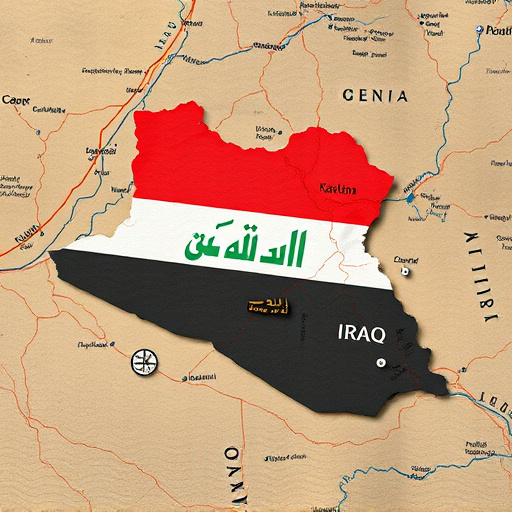
Iraq’s diverse geography significantly shapes its climate, creating distinct regional variations. The country lies within a semi-arid zone, characterized by hot summers and mild winters, with significant desert influences from its neighboring Arabian Peninsula. The vast majority of Iraq is flat to rolling plains, interrupted by rugged mountains in the north, specifically along the border with Turkey and Iran. These geographical features play a crucial role in facilitating air and sunlight circulation, which, in turn, affects temperature patterns and precipitation levels across the country.
While the southern regions remain mostly arid, the northern areas experience slightly cooler temperatures due to their elevation and proximity to mountains. The geography of Iraq and its neighbors also influences rainfall distribution, with some regions receiving as little as 100 mm annually, while others might get up to 500 mm. This variety in terrain and precipitation contributes to a unique climate within the country, making certain areas more suitable for agriculture, including the cultivation of traditional Iraqi cuisine’s favorite ingredients. Interestingly, despite its arid reputation, Iraq is home to several major rivers—the Tigris and Euphrates—that support life and agriculture across the region. Thus, visitors looking to experience the best of Iraq’s weather should plan their trips accordingly, finding us at the best time to visit Iraq for weather.
Iraq’s climate is a complex tapestry woven from regional variations and geographical influences. From the scorching desert heat of the south to the cooler, more temperate conditions of the north, the country experiences distinct seasonal changes. Understanding these patterns is essential for anyone navigating Iraq’s diverse landscapes and contributing to sustainable practices in this historically rich nation.